









Collection: Cognitive Research Peptides

What Are Cognitive Research Peptides?
Cognitive research peptides are studied in laboratory environments for their interaction with neurochemical signaling pathways, synaptic communication models, and receptor-level binding mechanisms. Peptides, as short chains of amino acids, function as signaling molecules within biological systems. In cognitive-focused research, these compounds are examined for how they influence neurotransmitter modulation, cellular communication patterns, and neural plasticity frameworks under controlled experimental conditions.
Researchers often investigate peptide structures that interact with central nervous system signaling pathways. Studies may explore receptor binding affinity, downstream signaling cascades, and peptide stability in laboratory assays. Because peptide behavior is highly sequence-specific, even minor structural differences can influence how a compound interacts with neurobiological models.
Why These Peptides Are Grouped as “Cognitive”
Cognitive research peptides are frequently evaluated for:
- Receptor interaction and binding specificity
- Neurotransmitter pathway modulation
- Synaptic signaling models
- Cellular communication dynamics
- Laboratory-based neurobiological mapping
This category may include peptides commonly referenced in research literature for cognitive pathway investigation, such as compounds studied in relation to signaling peptides involved in learning models, stress-response pathways, or neurochemical balance frameworks.
Examples of Peptides in This Category
Semax
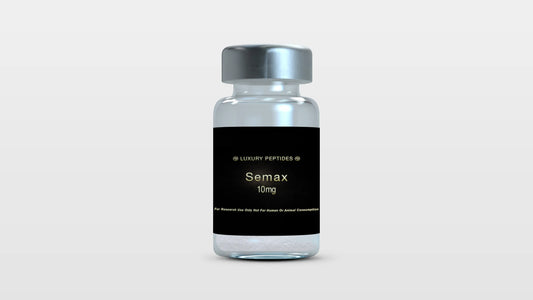
Semax is a synthetic peptide derived from a fragment of adrenocorticotropic hormone (ACTH). In research literature, it has been examined for its interaction with neurotrophic signaling pathways and neurotransmitter regulation models. Experimental studies explore how Semax may influence brain-derived neurotrophic factor (BDNF) expression and modulate neurochemical communication in controlled laboratory environments.
Selank
Selank is a synthetic peptide analog studied in neurochemical and stress-response research frameworks. Scientific investigations examine its interaction with GABAergic signaling pathways and its potential influence on neurotransmitter balance in experimental models. Research discussions often focus on how short peptides like Selank may participate in receptor-level modulation and synaptic communication processes.
-

Selank
Regular price $59.99Sale price $59.99 Regular priceUnit price per -
Semax
Regular price $59.99Sale price $59.99 Regular priceUnit price per -

PT-141
Regular price $99.00Sale price $99.00 Regular priceUnit price per -

Melanotan-2
Regular price $49.99Sale price $49.99 Regular priceUnit price per -

KissPeptin
Regular price $99.00Sale price $99.00 Regular priceUnit price per -
Oxytocin
Regular price From $59.00Sale price From $59.00 Regular priceUnit price per -

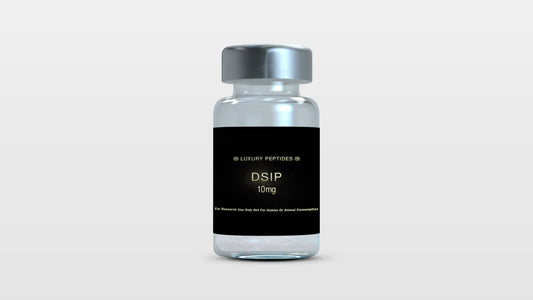
DSIP
Regular price From $49.00Sale price From $49.00 Regular priceUnit price per -

GH Optimization Research Bundle
Regular price $199.00Sale price $199.00 Regular priceUnit price per
RESEARCH USE ONLY • LABORATORY PURPOSES ONLY • NOT FOR HUMAN OR ANIMAL USE • LOCAL COMPLIANCE RESPONSIBILITY APPLIES
RESEARCH USE ONLY • LABORATORY PURPOSES ONLY • NOT FOR HUMAN OR ANIMAL USE • LOCAL COMPLIANCE RESPONSIBILITY APPLIES
RESEARCH USE ONLY • LABORATORY PURPOSES ONLY • NOT FOR HUMAN OR ANIMAL USE • LOCAL COMPLIANCE RESPONSIBILITY APPLIES
RESEARCH USE ONLY • LABORATORY PURPOSES ONLY • NOT FOR HUMAN OR ANIMAL USE • LOCAL COMPLIANCE RESPONSIBILITY APPLIES
RESEARCH USE ONLY • LABORATORY PURPOSES ONLY • NOT FOR HUMAN OR ANIMAL USE • LOCAL COMPLIANCE RESPONSIBILITY APPLIES
RESEARCH USE ONLY • LABORATORY PURPOSES ONLY • NOT FOR HUMAN OR ANIMAL USE • LOCAL COMPLIANCE RESPONSIBILITY APPLIES
RESEARCH USE ONLY • LABORATORY PURPOSES ONLY • NOT FOR HUMAN OR ANIMAL USE • LOCAL COMPLIANCE RESPONSIBILITY APPLIES
RESEARCH USE ONLY • LABORATORY PURPOSES ONLY • NOT FOR HUMAN OR ANIMAL USE • LOCAL COMPLIANCE RESPONSIBILITY APPLIES
Related Research Products
Explore additional research compounds associated with this area of study.
