




Collection: Rejuvenation Research Peptides

What Are Rejuvenation Research Peptides?
Rejuvenation research peptides are short chains of amino acids studied for their interaction with structural proteins, extracellular matrix components, and cellular communication pathways related to tissue architecture.
In biological systems, peptides function as signaling molecules. They influence how cells respond to environmental changes, regulate protein synthesis, and coordinate interactions within the extracellular matrix. In scientific literature, certain peptides are frequently examined for their relationship to collagen dynamics, copper transport, gene signaling, and matrix remodeling processes.
This collection groups research peptides commonly discussed in academic and cosmetic biology contexts that explore structural integrity at the cellular level.
Why These Peptides Are Grouped as “Rejuvenation”
In scientific and cosmetic research contexts, “rejuvenation” generally refers to the study of:
- Collagen and extracellular matrix signaling
- Copper-binding peptide interactions
- Gene expression modulation related to structural proteins
- Cellular communication is involved in tissue architecture
- Matrix protein synthesis and organization
Example of Peptides in This Category
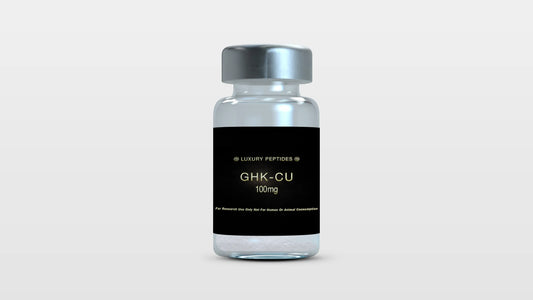
GHK-Cu (Copper Peptide)
GHK-Cu is a naturally occurring tripeptide composed of glycine, histidine, and lysine that binds copper ions. It was first identified in human plasma and later studied for its role in tissue remodeling and extracellular matrix signaling. Scientific literature describes GHK-Cu as participating in copper transport and influencing gene expression related to structural proteins such as collagen and glycosaminoglycans.
-

GLOW
Regular price $159.00Sale price $159.00 Regular priceUnit price per -

GHK-CU
Regular price From $79.00Sale price From $79.00 Regular priceUnit price per -
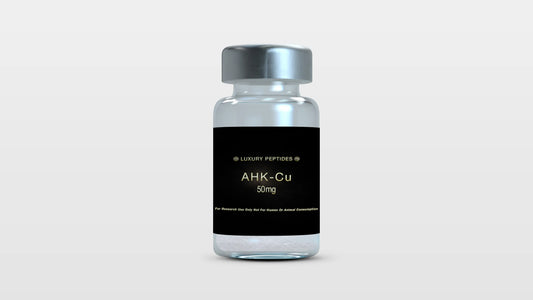
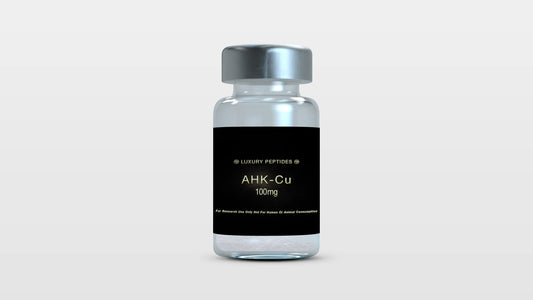
AHK-Cu
Regular price From $79.00Sale price From $79.00 Regular priceUnit price per -
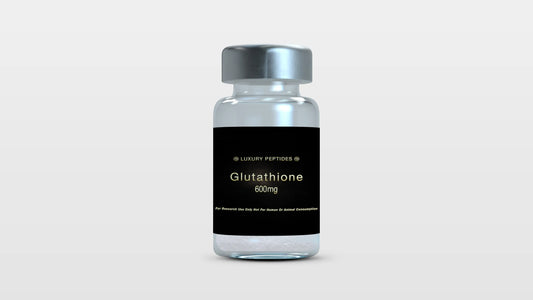
Glutathione
Regular price $69.00Sale price $69.00 Regular priceUnit price per -

VIP
Regular price $129.00Sale price $129.00 Regular priceUnit price per
RESEARCH USE ONLY • LABORATORY PURPOSES ONLY • NOT FOR HUMAN OR ANIMAL USE • LOCAL COMPLIANCE RESPONSIBILITY APPLIES
RESEARCH USE ONLY • LABORATORY PURPOSES ONLY • NOT FOR HUMAN OR ANIMAL USE • LOCAL COMPLIANCE RESPONSIBILITY APPLIES
RESEARCH USE ONLY • LABORATORY PURPOSES ONLY • NOT FOR HUMAN OR ANIMAL USE • LOCAL COMPLIANCE RESPONSIBILITY APPLIES
RESEARCH USE ONLY • LABORATORY PURPOSES ONLY • NOT FOR HUMAN OR ANIMAL USE • LOCAL COMPLIANCE RESPONSIBILITY APPLIES
RESEARCH USE ONLY • LABORATORY PURPOSES ONLY • NOT FOR HUMAN OR ANIMAL USE • LOCAL COMPLIANCE RESPONSIBILITY APPLIES
RESEARCH USE ONLY • LABORATORY PURPOSES ONLY • NOT FOR HUMAN OR ANIMAL USE • LOCAL COMPLIANCE RESPONSIBILITY APPLIES
RESEARCH USE ONLY • LABORATORY PURPOSES ONLY • NOT FOR HUMAN OR ANIMAL USE • LOCAL COMPLIANCE RESPONSIBILITY APPLIES
RESEARCH USE ONLY • LABORATORY PURPOSES ONLY • NOT FOR HUMAN OR ANIMAL USE • LOCAL COMPLIANCE RESPONSIBILITY APPLIES
Related Research Products
Explore additional research compounds associated with this area of study.
