








Collection: Recovery Research Peptides

What Are Recovery Research Peptides?
Recovery research peptides are short chains of amino acids that are studied for their interactions with structural proteins, cellular signaling pathways, and tissue modeling systems.
Peptides are naturally occurring biological messengers. They help regulate communication between cells and influence processes such as protein synthesis, growth factor signaling, and extracellular matrix dynamics. In research settings, certain peptides are examined for their effects on collagen formation, angiogenic signaling, and cellular migration patterns.
The peptides grouped within this category are commonly referenced in scientific literature exploring structural biology and tissue-response mechanisms.
Why These Peptides Are Grouped as “Recovery”
In scientific literature, the term “recovery” is often used informally to describe peptides that are studied in connection with:
- Cellular signaling pathways
- Structural protein interactions
- Collagen and matrix biology
- Angiogenesis-related signaling
- Cytoskeletal organization
Examples of Peptides in This Category
BPC-157
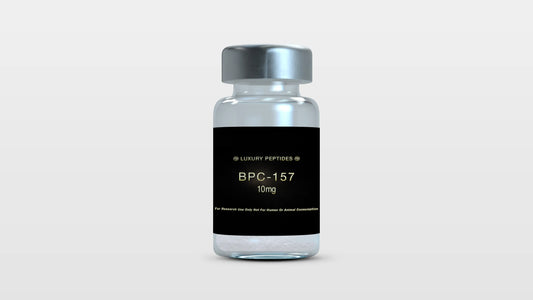
BPC-157 is a synthetic peptide derived from a sequence found in gastric proteins. It has been studied in experimental models for its interaction with growth factor pathways and vascular signaling processes. Research literature discusses its relationship with nitric oxide systems and angiogenic signaling mechanisms.
TB-500 (Thymosin Beta-4 Fragment)
TB-500 is a synthetic fragment of Thymosin Beta-4, a naturally occurring peptide involved in cellular migration and actin regulation. In biological systems, Thymosin Beta-4 plays a role in cytoskeletal organization, which influences how cells move and interact during structural remodeling processes.
-
BPC-157
Regular price $64.99Sale price $64.99 Regular priceUnit price per -
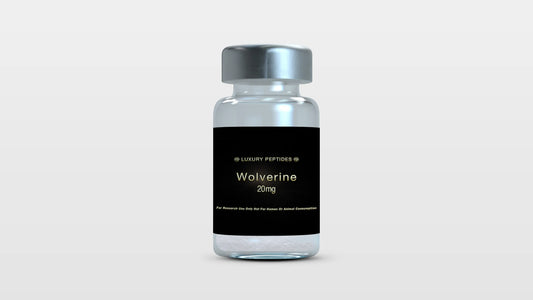
Wolverine
Regular price $119.00Sale price $119.00 Regular priceUnit price per -

TB500
Regular price $74.99Sale price $74.99 Regular priceUnit price per -

IGF-1 LR3
Regular price $99.00Sale price $99.00 Regular priceUnit price per -

GH Optimization Research Bundle
Regular price $199.00Sale price $199.00 Regular priceUnit price per -

Joint & Connective Tissue Matrix Bundle
Regular price $209.00Sale price $209.00 Regular priceUnit price per -

Premium Recovery Research Bundle
Regular price $199.00Sale price $199.00 Regular priceUnit price per -

Wolverine Tissue Recovery Research Bundle
Regular price $219.00Sale price $219.00 Regular priceUnit price per
RESEARCH USE ONLY • LABORATORY PURPOSES ONLY • NOT FOR HUMAN OR ANIMAL USE • LOCAL COMPLIANCE RESPONSIBILITY APPLIES
RESEARCH USE ONLY • LABORATORY PURPOSES ONLY • NOT FOR HUMAN OR ANIMAL USE • LOCAL COMPLIANCE RESPONSIBILITY APPLIES
RESEARCH USE ONLY • LABORATORY PURPOSES ONLY • NOT FOR HUMAN OR ANIMAL USE • LOCAL COMPLIANCE RESPONSIBILITY APPLIES
RESEARCH USE ONLY • LABORATORY PURPOSES ONLY • NOT FOR HUMAN OR ANIMAL USE • LOCAL COMPLIANCE RESPONSIBILITY APPLIES
RESEARCH USE ONLY • LABORATORY PURPOSES ONLY • NOT FOR HUMAN OR ANIMAL USE • LOCAL COMPLIANCE RESPONSIBILITY APPLIES
RESEARCH USE ONLY • LABORATORY PURPOSES ONLY • NOT FOR HUMAN OR ANIMAL USE • LOCAL COMPLIANCE RESPONSIBILITY APPLIES
RESEARCH USE ONLY • LABORATORY PURPOSES ONLY • NOT FOR HUMAN OR ANIMAL USE • LOCAL COMPLIANCE RESPONSIBILITY APPLIES
RESEARCH USE ONLY • LABORATORY PURPOSES ONLY • NOT FOR HUMAN OR ANIMAL USE • LOCAL COMPLIANCE RESPONSIBILITY APPLIES
Related Research Products
Explore additional research compounds associated with this area of study.
